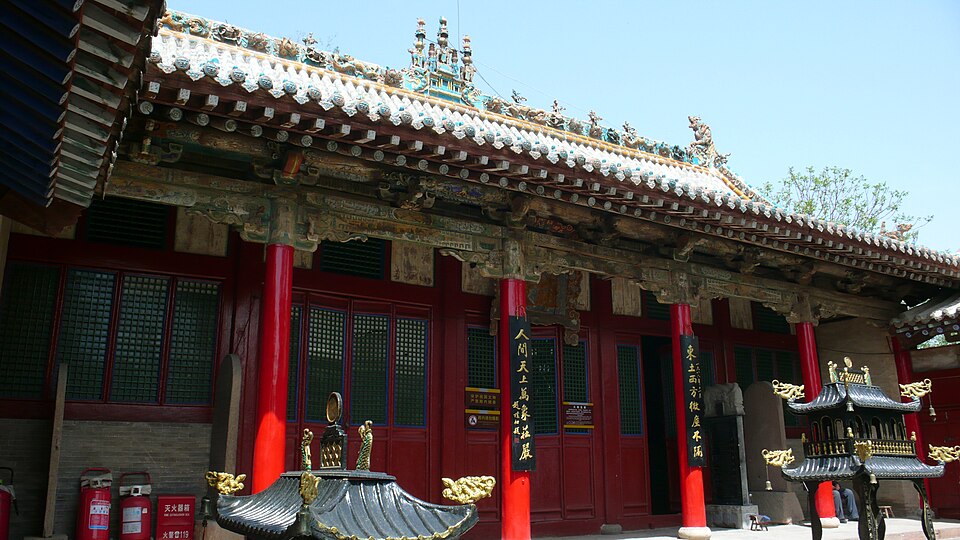
 Sculpture
Xiaoxitian
A compact Ming Buddhist temple in Xi County whose dense suspended sculpture turns a small hall into a cosmic stage.
- Prefecture
- Linfen
- Dynasty
- Ming
 ChinaEaves檐下中国
Shanxi architecture / places, routes, ways to look
ChinaEaves turns the Black Myth attention window into a durable guide to timber halls, cave temples, painted sculpture, routes, and vocabulary.
12 Shanxi places
Sculpture
A compact Ming Buddhist temple in Xi County whose dense suspended sculpture turns a small hall into a cosmic stage.
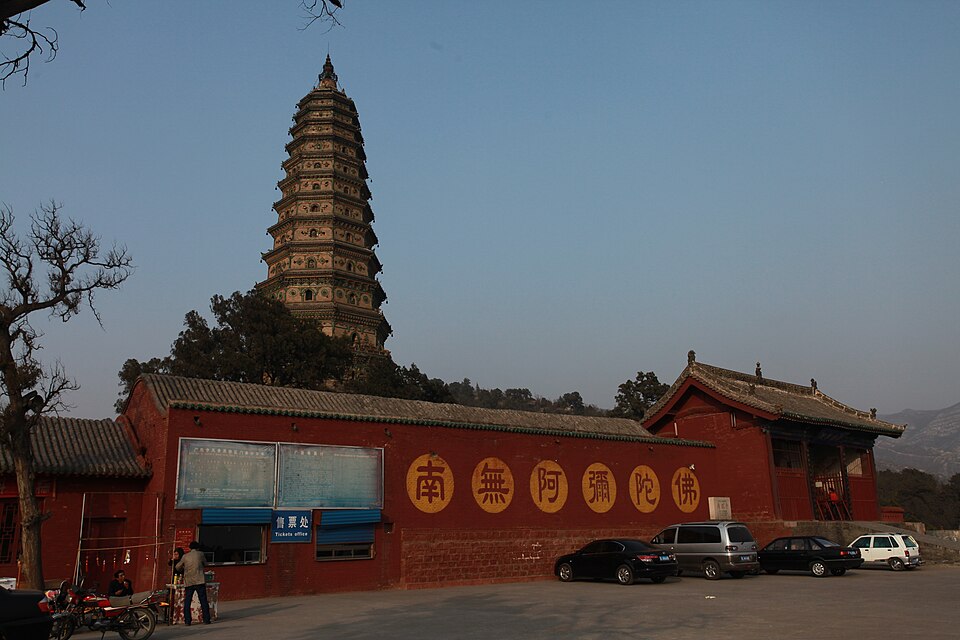 Murals
A three-part temple complex whose Feihong Pagoda, upper and lower temples, and Water God Temple make it one of south Shanxi's richest architecture-and-image sites.
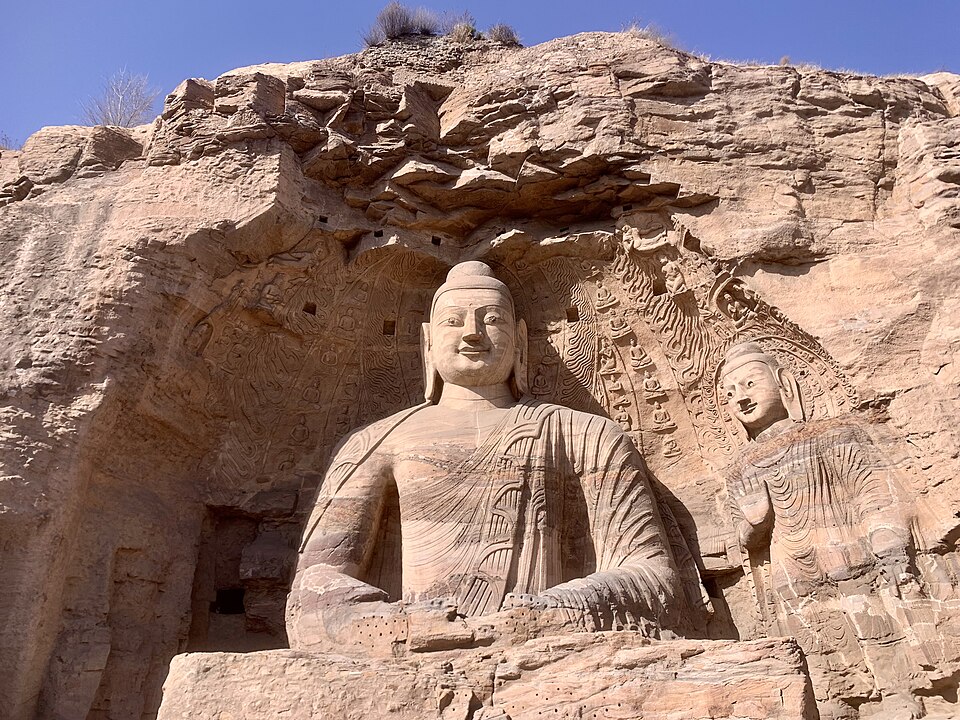 Caves
Caves
A UNESCO-listed cave-temple landscape where fifth- and sixth-century Buddhist carving turns Datong's sandstone cliff into an imperial image program.
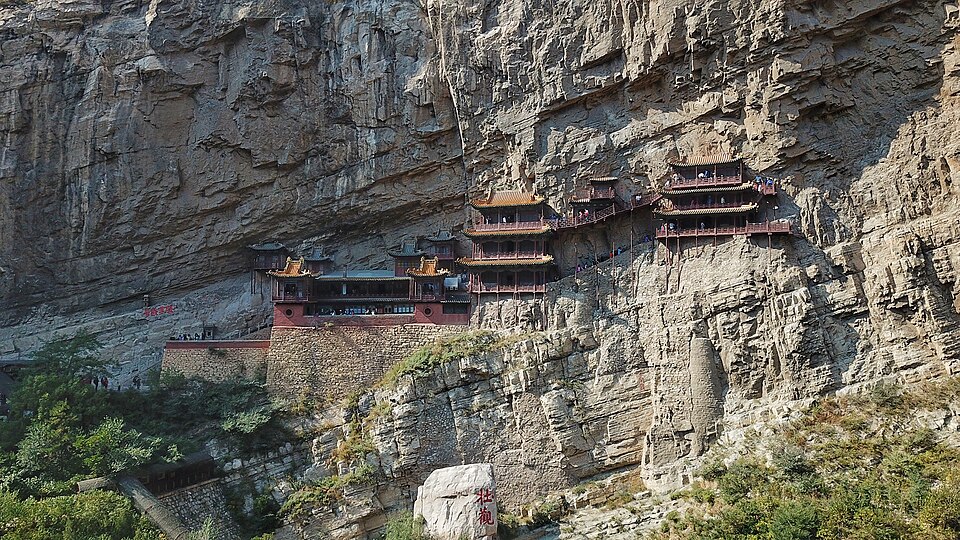 Cliff temple
A cliff-hung temple near Mount Heng that compresses Buddhist, Daoist, and Confucian imagery into a dramatic vertical architectural problem.
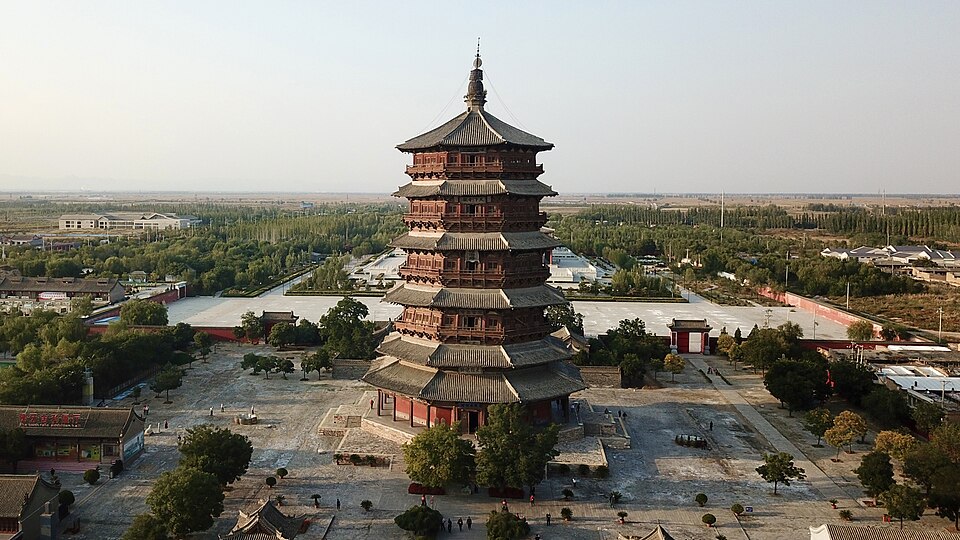 Timber tower
An 11th-century Liao timber pagoda whose height, octagonal plan, and nested floors make it the clearest vertical timber lesson in Shanxi.
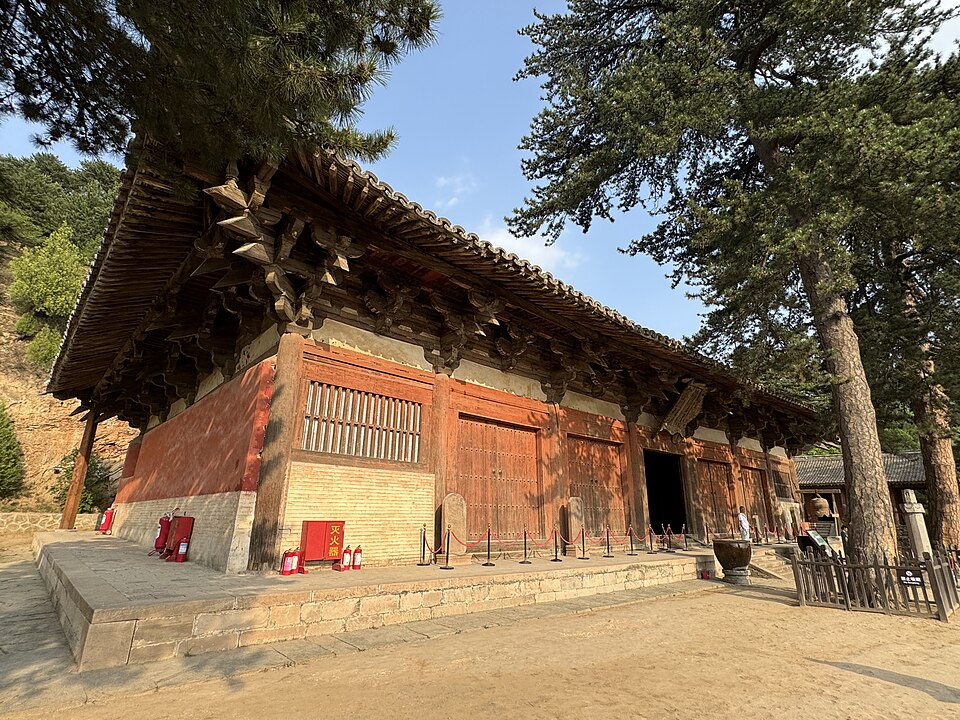 Tang timber
A Mount Wutai temple whose East Main Hall is one of the most important surviving Tang timber buildings in China.
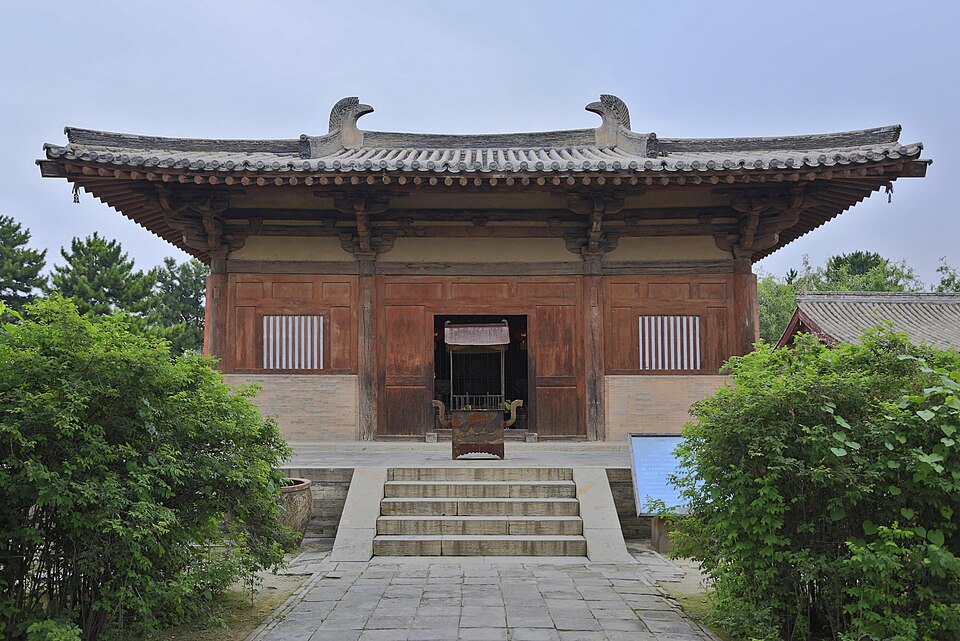 Quiet timber
A small Wutai-area hall whose Tang date makes it one of the most concentrated lessons in early Chinese timber construction.
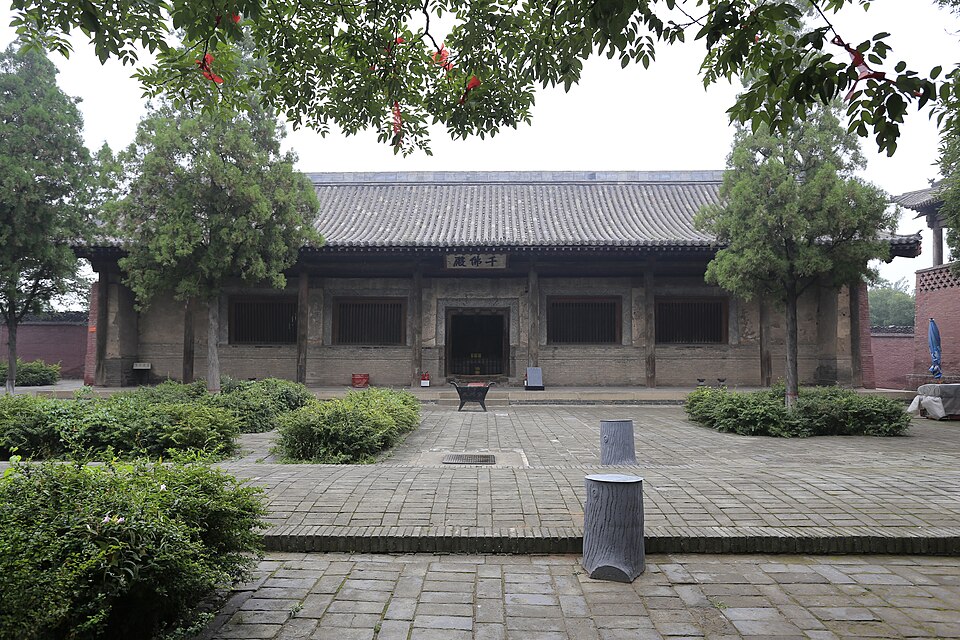 Painted figures
A Pingyao-area temple whose large corpus of painted clay sculpture turns temple halls into a museum of religious figures and social types.
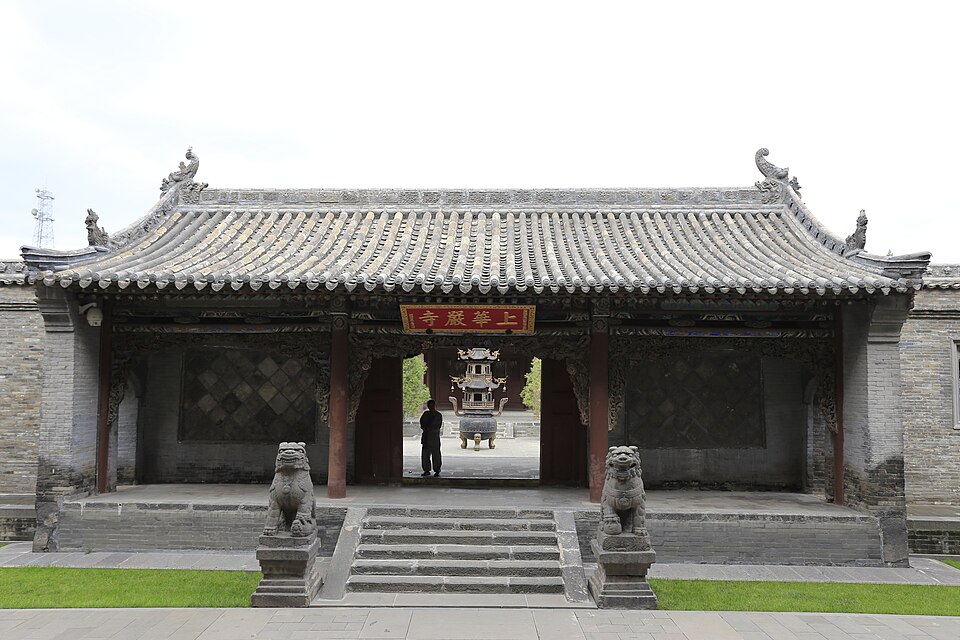 Datong temple
A major Datong temple whose Liao-Jin halls and sutra-storage culture show the city's Buddhist and imperial afterlives.
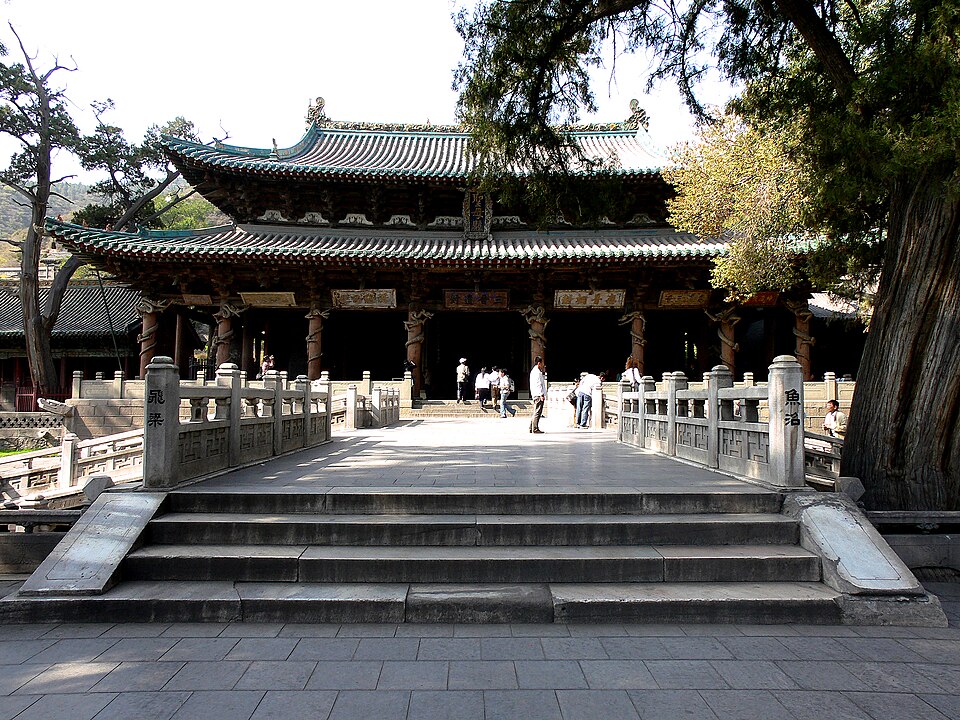 Shrine garden
A Taiyuan shrine complex that widens the Shanxi story beyond Buddhist sites into water, ancestry, gardens, and Song-period ritual architecture.
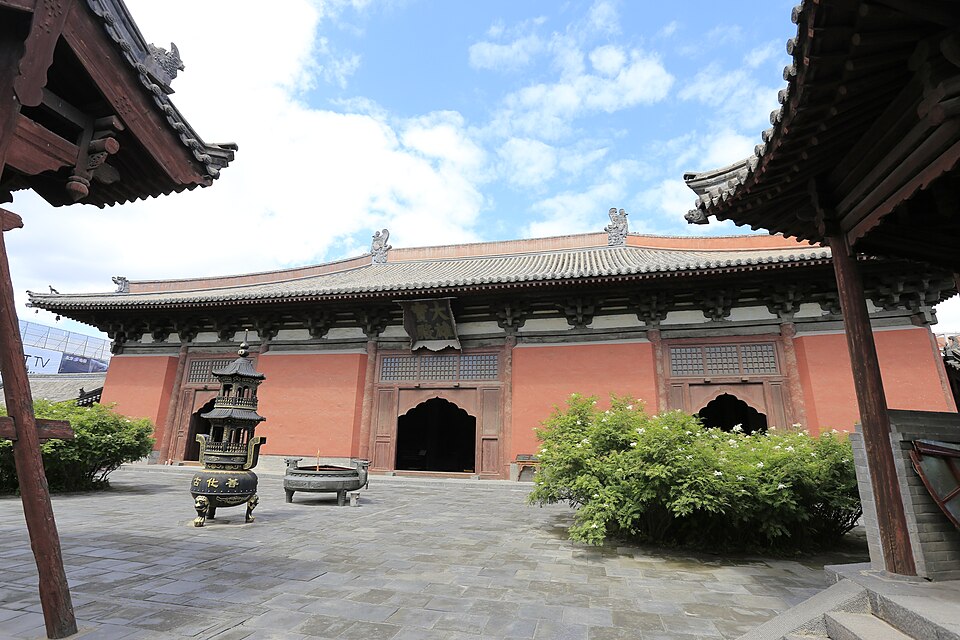 Datong axis
A quieter Datong axis where Liao-Jin halls and Buddhist protective imagery reward slow comparison with nearby Huayan Temple.
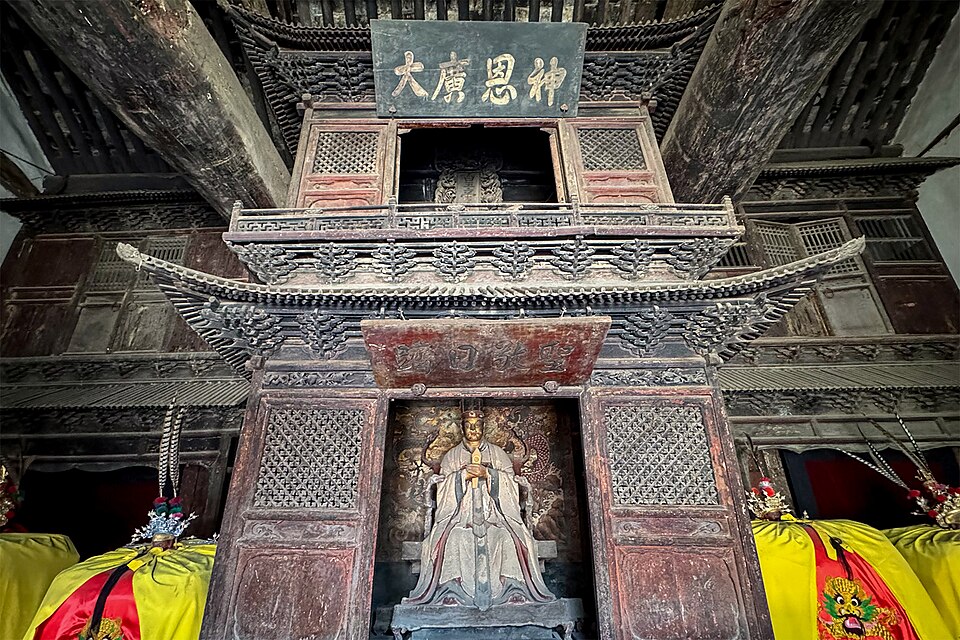 Twenty-eight Mansions
A Taoist temple in Zezhou whose personified Twenty-eight Mansions sculptures make astronomy, ritual, and painted clay sculpture meet.
Routes
North, South, and Southeast Shanxi each have their own transport logic, period sequence, and viewing rhythm.